

By Ananta Gopal Das | Head Pujari (Priest) at Bhaktivedanta Manor
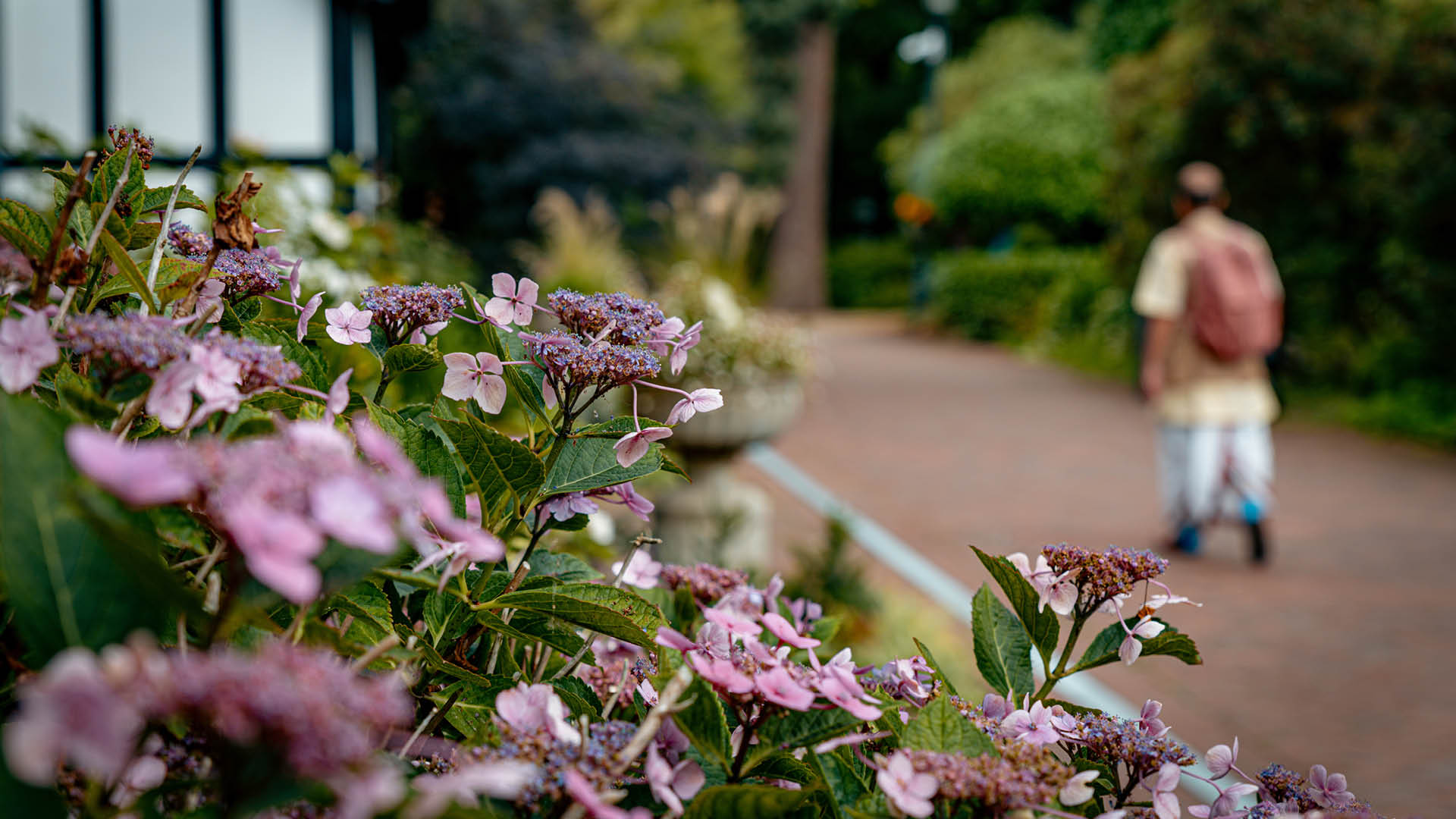
In the early afternoon of Spring 2015, I was wandering around the temple, chanting japa. The warm day was filled with a gentle breeze rustling through the leaves of the trees and bushes near Srila Prabhupada’s garden, creating soothing sounds. Combined with the mooing of the cows from the goshala, it evoked a wonderful Vrindavan-like ambience. Many pilgrims sat on the grass with friends and family, enjoying the warm, sunny day.
As I passed by the reception door area, a man in his mid-thirties approached me with his wife and child in a pram. He asked me in a challenging tone, “Why are you staying in the temple and not having a proper job?”
I tried to explain the importance of monks and missionaries in society, but he wasn’t ready to listen. After a few minutes of conversation, he eventually left, his negative attitude remaining the same.
Ten years later, last week, I was again circumambulating the temple when I met the same person again. This time, he was without his wife and child, but instead, he was holding chanting beads in his hand.
He recognised me and approached me to ask a question. I was ready for “another attack,” remembering our previous interaction, but instead, his approach was different.
“Prabhu, I need your help. I’m suffering a lot,” he said. “After wasting many years trying to enjoy this material world, I came to the realisation that Bhakti yoga is the path I want to follow.”
He went on to explain that his wife had divorced him, he had lost his job, and he was struggling to cope with all the challenges that came his way.
He later asked about why I’m staying at the temple, but this time, he did so in a humble and inquisitive mood. He was eager to learn more about the spiritual practices that monks follow at the temple.
We spent 30 minutes talking, and I shared a few books that I thought he’d enjoy reading. He was eager to learn and accepted everything I suggested. He agreed to start serving at the temple and regularly chant japa. After exchanging phone numbers, he left.
I sat on the wooden bench in George Harrison’s garden, reflecting on our interaction.
Often, we encounter situations where people or even devotees criticise us or our service, questioning our commitment and devotion. We shouldn’t be discouraged, though. Instead, we should take it as an opportunity to look inward and question our motives for doing devotional activities.
This could be a test from Krishna to gauge our sincerity, or it might be a reflection of their own insecurities and struggles.
Each experience and interaction offers an opportunity for self-discovery and learning about other devotees. It’s not always easy to confront our flaws, such as bad habits, a critical mindset, or cheating. And dealing with criticism and disrespect can be challenging. But gradually, with sincerity and the blessings of our well-wishers, we can transform and grow.
The person I met last week took ten years to embrace spiritual practice and began transforming his heart. It’s inspiring to witness others’ growth on their spiritual journeys, and it’s an adventure to follow our own path.
As I stood up from the bench and walked along the stone steps in the garden, I realised that perhaps one reason I’m staying in the temple is to help and serve those who are ready to accept spiritual practice.